Four robots, 919 hectares: what Brisbane Airport just proved
Brisbane Airport autonomous mowing in Australia: four contained units, 919 hectares, and the airport's own estimate of a 70 percent cost cut.
What did Brisbane Airport prove about autonomous mowing in Australia?
That autonomous mowing works on Australian ground at a site with a demanding safety case. Four small contained units cut a growing share of roughly 919 hectares airside, and the airport's own trial estimate puts vegetation costs down around 70 percent.
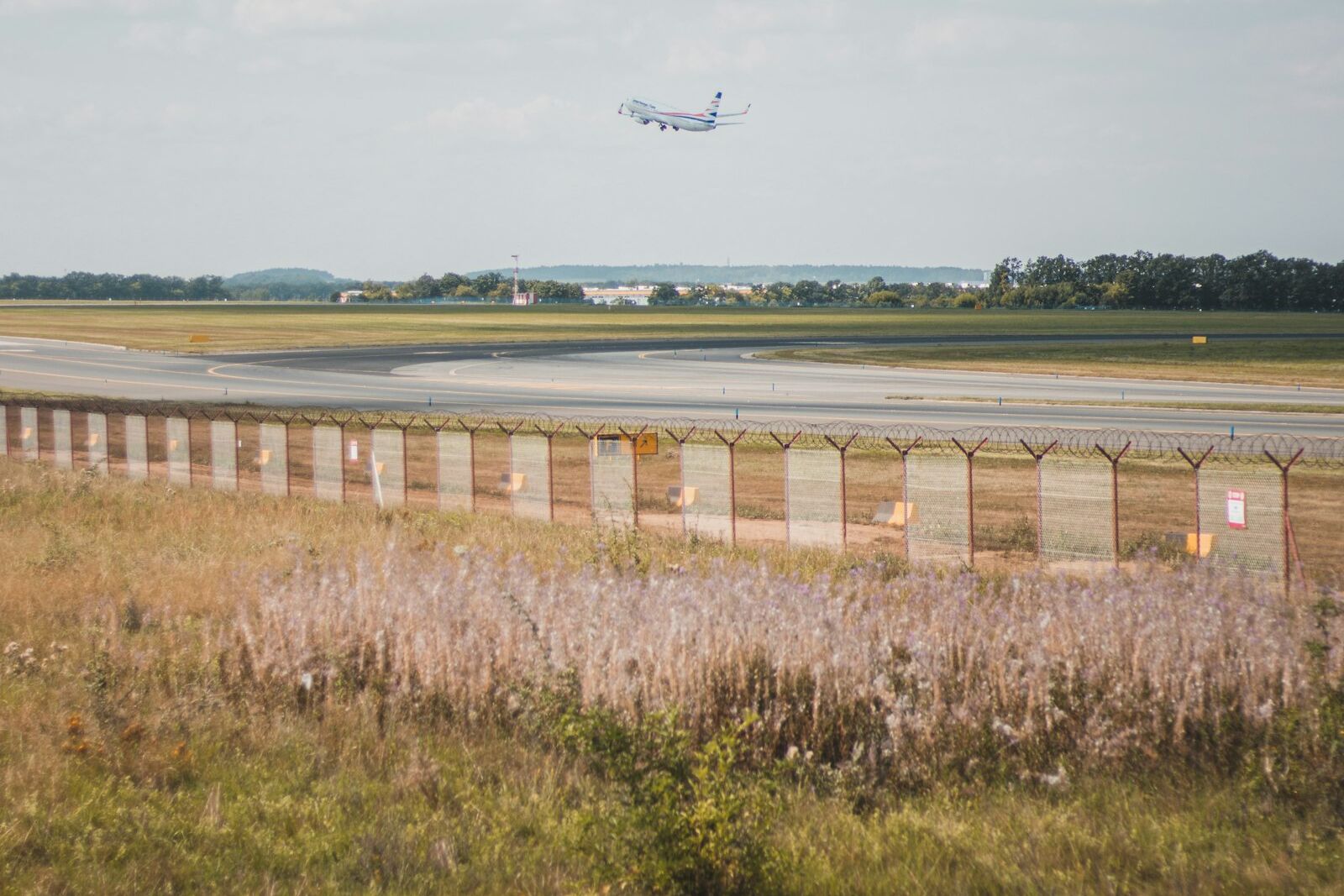
Brisbane Airport runs four autonomous mowers on its airside grass. Not a concept, not a pilot press release from overseas. Working machines, on Australian ground, at a site where the safety case is about as demanding as it gets.
The details worth knowing. The fleet manages a growing share of roughly 919 hectares of airside land. The machines run day and night, contained by sensors, geofencing and a physical barrier. They charge from solar and renewable grid power. Continuous cutting has been credited with greener grass and less herbicide use. The program won the Australian Airports Association innovation award.
And the number everyone quotes: the airport estimates around a 70 percent reduction in vegetation costs. Worth being precise here, that is the airport's own estimate from their trial, not an independent audit. But it is their number, from their ground, and they liked the result enough to keep the machines and collect the award.
One honest caveat from our side. The Brisbane machines are a smaller class of robot, continuous-cut units working inside a contained area. That is a different tool from the heavy RTK-guided deck mowers built for open paddocks, solar rows and rough ground. So the airport result does not prove every machine on every site.
What it does prove is the concept, on Australian ground, at an Australian institution with zero appetite for gimmicks. Autonomous mowing is not coming. It is here, it is airside at your state's biggest airport, and it has an award on the shelf.
The question for anyone managing large ground has quietly changed. It is no longer whether the robots work. It is which class of machine suits your ground, and who runs it properly.
Common questions
How many autonomous mowers does Brisbane Airport run?
Four, on airside grass, day and night. They're contained by sensors, geofencing and a physical barrier, and they charge from solar and renewable grid power.
Did Brisbane Airport really cut mowing costs by 70 percent?
That figure is the airport's own estimate from their trial, not an independent audit. It's their number from their ground, and they kept the machines and collected an innovation award.
Are the Brisbane Airport robots the same as solar farm mowers?
No. The airport units are a smaller class, continuous-cut machines working inside a contained area. Heavy RTK-guided deck mowers built for open paddocks, solar rows and rough ground are a different tool.
Does the airport result prove autonomous mowing works on any site?
No. It proves the concept on Australian ground at an institution with no appetite for gimmicks. Which class of machine suits your ground, and who runs it, is still the question for your site.
Read next
- Solar farm vegetation management with autonomous mowing
- The biggest line item nobody budgets
- Solar Farm Vegetation Management with Autonomous Mowers
AutoAcre is an autonomous mowing operator based in the Northern Rivers, NSW, focused on solar-farm and commercial vegetation management. If you manage big ground and want to talk through what would suit it, get in touch: ben@autoacre.com.au.