Why autonomous mowing trials fail
Why autonomous mowing trials fail: usually the fit and the running, not the machine. Wrong ground, babysat autonomy, no spares on site, nobody owning it.
Why do autonomous mowing trials fail?
Mostly it's the fit and the running, not the machine. The wrong machine for the ground, autonomy that needs babysitting, no spares on site, and nobody whose actual job is running it.
Plenty of big sites in Australia have trialled an autonomous mower. Fewer are still running one. Having watched this category closely, the failures follow a pattern, and it is almost never the one people expect.
The wrong machine for the ground.
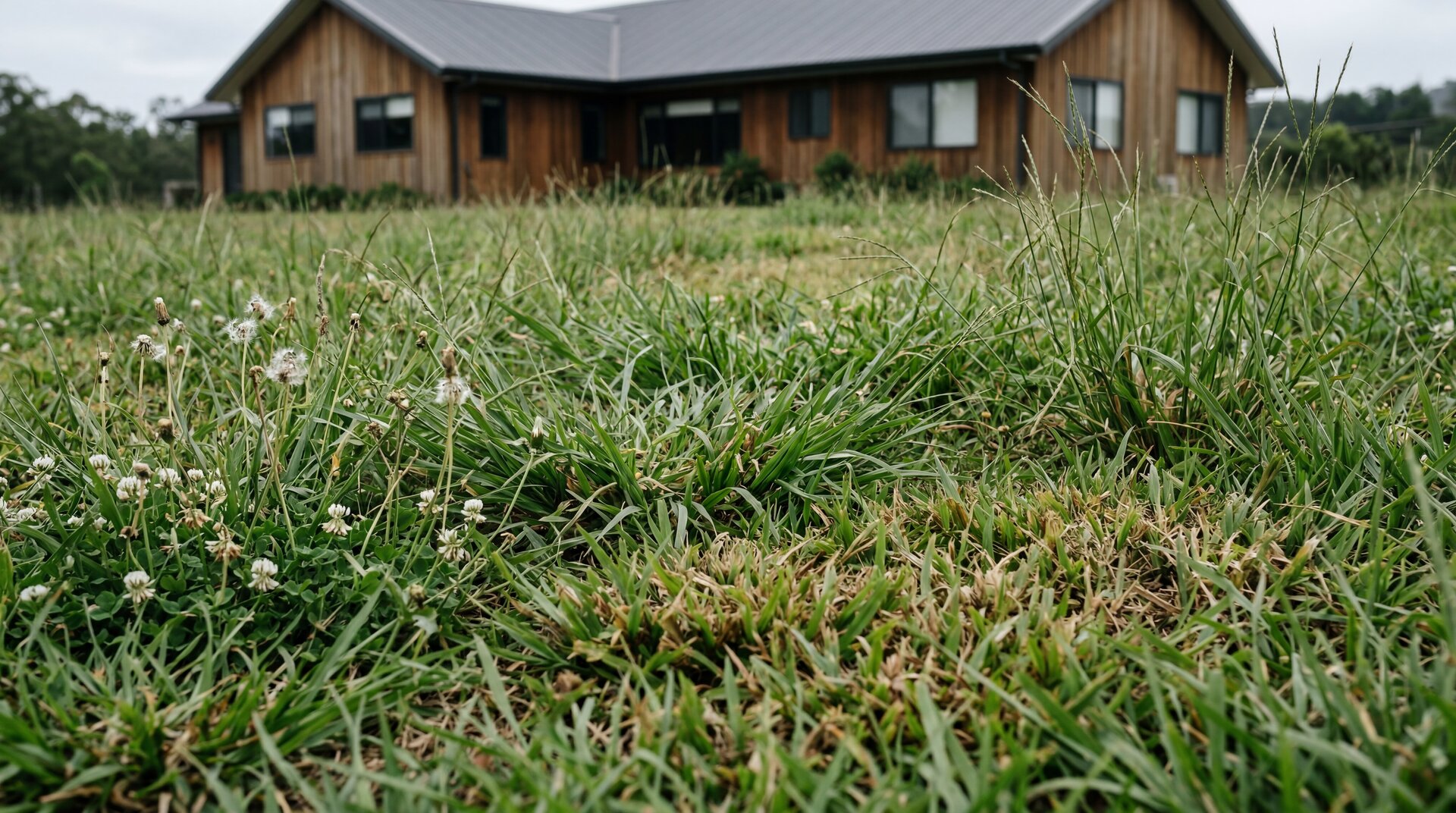
Most failed trials start with a machine built for somewhere else. A flat-lawn robot sent onto rutted paddocks. A machine designed for one environment asked to read a completely different one. The sales pitch says it can do anything. Ground does not care about sales pitches.
Autonomy that is not.
Some machines are autonomous in the brochure and babysat in real life. If the AI needs months of manual correction, boundary tweaking and someone standing nearby, you have not removed labour, you have changed what the labour does. A real system maps the site once and then holds its lines, cycle after cycle, without a person hovering.
The support gap.
A mower that cannot be fixed is a sculpture. Regional sites already know this pain with conventional gear, a broken machine and a two week wait for parts starts a cascade that eats the whole schedule. Any autonomous trial that arrives without spare parts on site and a plan for who swaps a blade on a Tuesday is a countdown, not a trial.
Nobody owns the running of it.
This is the quiet killer. The machine turns up, the salesman leaves, and the robot becomes another job for a crew that was already stretched. Autonomous mowers do not need much minding, but they need someone whose actual job is watching coverage, scheduling cycles, catching problems early and keeping parts ahead of need. No owner, no result.
Notice what is not on the list. The machines themselves, by and large, work. What fails is the fit and the running.
Which is why we sell operated trials, not machines in a crate. Defined zones, measured results against your contract heights, spares on site, and one person, us, accountable for the running. If it does not stack up on your ground, the report says so, and you have lost a trial fee instead of a purchase.
Common questions
Do autonomous mowers actually work on big sites?
By and large, yes. The machines are rarely what fails. What fails is the fit to the ground and the running of it once the salesman leaves.
What does an operated mowing trial include?
Defined zones, results measured against your contract heights, spares on site, and one person accountable for the running. If it does not stack up on your ground, the report says so.
Does an autonomous mower replace the ground crew?
No. It handles the bulk mowing, and close-in work around posts and edges is about 60 to 70 percent autonomous with a person doing the rest. Somebody local still needs to own the running of it, which is a skilled technician role, not a job that disappears.
How much minding does an autonomous mower need?
Not much, but not none. A real system maps the site once and holds its lines cycle after cycle. Someone still watches coverage, schedules cycles, catches problems early and keeps parts ahead of need.
Does the machine detect fire risk?
No. There is no spark or fire detection on the machine. Fire risk is managed operationally: no-go zones on gravel margins, care in where it charges, and no charging on total fire ban days.
Read next
- How Much Does Acreage Mowing Cost in Byron Bay?
- Eight acres a day. Not twelve.
- Autonomous Mowing vs Traditional Ride-On: A Property Owner's Guide
AutoAcre is an autonomous mowing operator based in the Northern Rivers, NSW, focused on solar-farm and commercial vegetation management. If you have tried a robot before and it did not stick, we would genuinely like to hear what happened: ben@autoacre.com.au.