Solar Farm Vegetation Management with Autonomous Mowers
Solar farm mowing vegetation management with an RTK mower: about 8 acres a day, slopes to 30 degrees, and 60 to 70 percent autonomous close in.
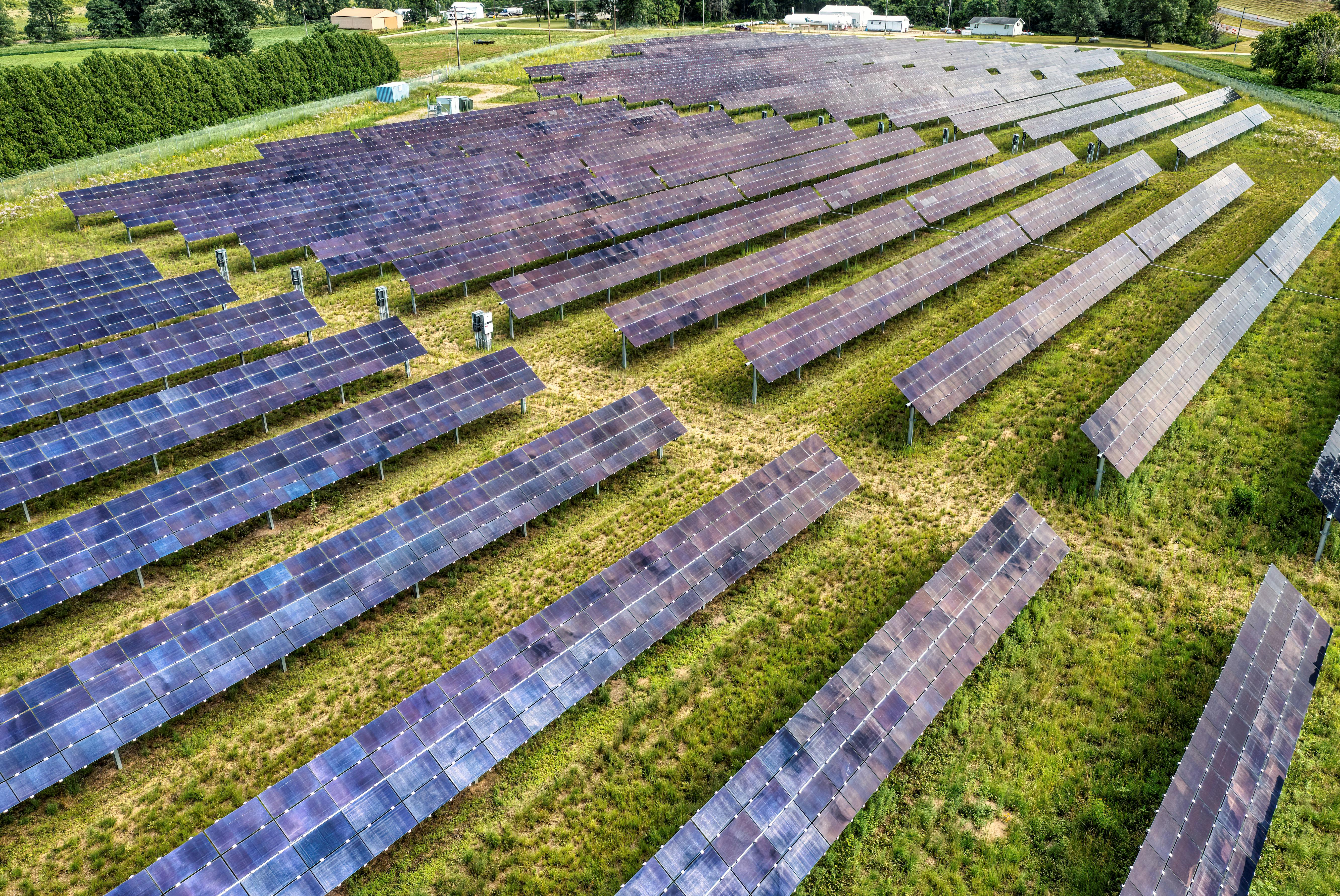
Can autonomous mowers handle solar farm mowing and vegetation management?
Yes, for the bulk of the ground between and under rows, running RTK navigation on pre-mapped paths at about 8 acres (3 hectares) a day. Close-in work around posts and edges is 60 to 70 percent autonomous, and people do the rest.
Why Solar Farm Mowing and Vegetation Management Matters
Solar farms across the Northern Rivers region face a persistent challenge: maintaining clear ground beneath and around photovoltaic arrays while controlling operational costs. Overgrown vegetation reduces panel efficiency through shading, creates fire hazards during dry months, and provides habitat for pests that can damage infrastructure. Traditional solar farm mowing vegetation management relies on contractors with ride-on mowers or slashers visiting monthly or quarterly, but this approach creates scheduling headaches, inconsistent results, and rising labour costs.
AutoAcre brings a fundamentally different solution to commercial solar farm operators in Byron Bay, Bangalow, and throughout the Northern Rivers. Our autonomous mowing service centres on the commercial-grade robotic mower, a commercial-grade platform capable of covering about 8 acres a day with GPS-RTK precision navigation. Rather than waiting weeks for contractor availability, solar farm managers gain continuous vegetation control with scheduled autonomous operation that works around weather conditions and operational requirements.
The Solar Farm Mowing Vegetation Management Challenge
Commercial solar installations present unique vegetation management requirements that differ significantly from residential or agricultural acreage. Panels sit at fixed heights with precise spacing, creating shade patterns that promote uneven grass growth. Access lanes between panel rows must remain clear for maintenance vehicles, while perimeter areas require fire-break standard vegetation control during bushfire season.
Manual mowing methods introduce several complications. Ride-on mowers risk collision damage to panel mounting structures and electrical conduits. Contract scheduling means vegetation often grows excessively between visits, requiring multiple passes and creating disposal challenges for heavy cuttings. Fuel-powered equipment produces emissions that contradict the environmental positioning of solar energy operations, and noise restrictions limit operating hours near residential areas.
Solar farm operators in our Northern Rivers service area, from Alstonville to Federal, typically manage between four and ten acres of vegetation around their arrays. This scale sits perfectly within the operational envelope of autonomous mowing technology, yet most operators remain locked into traditional contractor relationships simply because they haven't encountered a viable alternative.
How the machine Handles Solar Farm Vegetation Management
The commercial-grade robotic mower addresses solar farm requirements through several technical capabilities. Its GPS-RTK navigation system maintains centimetre-level positioning accuracy, allowing it to follow programmed paths between panel rows on a schedule. A person still handles the close-in work around posts and cable trays; 60 to 70 percent of the task is autonomous. The platform handles slopes up to 30 degrees, managing the varied terrain common in Northern Rivers solar installations built across rural acreage.
Unlike conventional mowers that cut infrequently and remove heavy growth, the machine operates on a frequent schedule, potentially every second day during peak growing season. This consistent mulching approach keeps vegetation at optimal height without creating disposal requirements. Clippings decompose rapidly, returning nutrients to soil and eliminating the logistics of green waste removal that plague traditional solar farm mowing operations.
The autonomous platform runs electrically, producing zero emissions and minimal noise. Solar farm operators appreciate this alignment with their environmental credentials, and it enables vegetation management during hours when manual equipment would disturb neighbouring properties. The machine's 8-acre daily planning figure means even larger solar installations can be maintained by a single unit operating on a programmed rotation.
AutoAcre's Buy and Manage Model for Commercial Solar Operations
AutoAcre offers solar farm operators a straightforward ownership structure. The customer purchases the commercial-grade robotic mower outright, securing the asset on their balance sheet while eliminating ongoing capital lease complications. This upfront investment provides a commercial-grade autonomous mowing platform specifically configured for their site's requirements.
Following purchase, AutoAcre provides monthly management services covering everything required to keep the system operating reliably. The monthly management fee scales with mowable acreage. We quote it after a site assessment. That fee covers scheduled preventative maintenance, blade replacement on a planned schedule, firmware updates as the manufacturer releases improvements, remote monitoring of operational status, and coordination of any repairs required outside routine service.
The customer owns the mower and controls the asset, while AutoAcre ensures it operates continuously without requiring internal technical expertise. For solar farm operators managing multiple business priorities, this separation eliminates the learning curve and ongoing attention that autonomous equipment might otherwise demand. Ben Bonifant and the AutoAcre team handle the technical details, allowing solar farm managers to focus on energy production rather than vegetation control logistics.
Practical Benefits for Northern Rivers Solar Farm Operators
Commercial solar installations adopting autonomous vegetation management report several operational improvements. Consistent vegetation height maintains panel efficiency by preventing shade intrusion from overgrown grass during morning and afternoon sun angles. Fire risk decreases substantially compared to quarterly slashing that allows fuel loads to accumulate between contractor visits.
Scheduling flexibility represents another significant advantage. Traditional contractors work through client lists on weather-dependent schedules, sometimes delaying solar farm visits by weeks during wet periods when vegetation grows fastest. The machine operates according to programmed schedules regardless of contractor availability, and saturated ground is mapped out rather than driven through, so a wet week costs a zone, not a machine.
The predictable monthly management cost provides budget certainty that traditional contractor arrangements don't deliver. Solar farm operators know their vegetation management expense months in advance, without surprise invoices following storm periods or seasonal growth surges. This financial predictability matters particularly for installations operating under power purchase agreements with fixed revenue profiles.
Solar Farm Vegetation Management Across Byron Bay and Northern Rivers
AutoAcre serves commercial solar installations throughout Byron Bay, Bangalow, Newrybar, Ewingsdale, Mullumbimby, Federal, Myocum, Tyagarah, Brooklet, Clunes, Eureka, Nashua, Alstonville, Teven, and Tintenbar. Our Northern Rivers focus means Ben Bonifant understands the coastal kikuyu growth patterns, wet season vegetation surges, and bushfire season fire-break requirements that define vegetation management in this region.
Solar farm operators considering autonomous mowing typically want to see the technology operating before committing. AutoAcre provides demonstration sessions at your site, allowing you to observe the machine navigating your specific terrain, panel spacing, and vegetation types. This practical demonstration answers questions about noise levels, operational safety around electrical infrastructure, and integration with existing site access protocols more effectively than specification sheets alone.
Get Your Solar Farm Mowing Vegetation Management Quote
If you're managing a commercial solar installation in the Northern Rivers region and dealing with the ongoing challenge of vegetation control, autonomous mowing deserves serious consideration. The combination of asset ownership through outright purchase and professional management through AutoAcre's monthly service creates a sustainable vegetation management solution aligned with the long-term operational profile of solar energy production.
Contact Ben Bonifant directly on 0499 649 094 to discuss your solar farm's specific vegetation management requirements, or visit autoacre.com.au/quote.html to request a detailed quote based on your installation's acreage and terrain characteristics. AutoAcre brings grounded, trustworthy autonomous mowing expertise to Northern Rivers solar farm operators ready to move beyond traditional contractor dependency.
Common questions
How much of a solar farm can an autonomous mower cover in a day?
About 8 acres (3 hectares) of planning capacity. Larger sites get staged across a rotation rather than done in one pass.
What slopes can the machine mow on a solar farm?
Mowing is proven to 30 degrees, which covers the berms and perimeter batters on most Northern Rivers sites. Anything steeper gets mapped out and handled another way.
Is solar farm mowing fully autonomous?
No. The open runs between rows are. Close-in work around posts, cable trays and edges is 60 to 70 percent autonomous, and a person finishes the rest.
Can the machine mow when the ground is wet?
Wet or waterlogged ground is mapped out, not driven through. The schedule works around it and picks those zones up once they've dried.
What does autonomous solar farm mowing cost?
The monthly management fee scales with mowable acreage and is quoted after a site assessment. There's no price list.
Read next
Frequently asked questions
Can autonomous mowers handle the specific vegetation management requirements around solar panel arrays?
Yes, autonomous mowers like the machine are well-suited to solar farm vegetation management because they maintain consistent grass height without damaging panels or mounting infrastructure. Their GPS-RTK navigation allows precise path planning around panel rows, and the 30-degree slope capability handles berms and perimeter areas common in solar installations.
How much area can an autonomous mower cover in a commercial solar farm operation?
The machine can mow about 8 acres (3 hectares) a day, making it effective for medium-sized solar farms or staged mowing of larger installations. AutoAcre's management service schedules the mowing cycles to maintain optimal grass height year-round, for a monthly fee that scales with mowable acreage and is quoted after a site assessment.
What are the maintenance requirements for autonomous mowers working in solar farm environments?
AutoAcre's monthly management service covers all scheduled maintenance, monitoring and repair coordination for the machine operating in solar farm conditions. The service includes blade maintenance, sensor cleaning critical in dusty solar farm environments, and GPS calibration to ensure precise navigation around valuable panel infrastructure.
More answers in the AutoAcre FAQ, or browse the glossary.