Why Councils Are Switching to Autonomous Mowing
Council mowing in the Northern Rivers with an autonomous machine: fenced or controlled sites today, about 8 acres a day. Certification in progress.
Can autonomous mowers do council mowing in the Northern Rivers?
Yes, on fenced or controlled sites like sports fields, cemeteries, drainage reserves and buffer zones, at about 8 acres (3 hectares) a day on slopes to 30 degrees. Open parks with kids and dogs about aren't the starting point, and certification is still in progress.
Why Council Mowing in the Northern Rivers Is Moving Toward Autonomous Solutions
Local councils across the Northern Rivers are under mounting pressure to deliver immaculate parks, reserves and roadsides while managing tight budgets, staff shortages and rising community expectations. Traditional council mowing in Northern Rivers has long relied on ride-on mowers, contractors and full-time grounds crews, but a quiet revolution is underway. Autonomous robotic mowers are proving their worth on rural council land, sports ovals and roadside verges, delivering precision, consistency and significant cost savings without compromising quality or safety.
AutoAcre works with rural property owners across Byron Bay, Bangalow, Mullumbimby, Federal and the broader Northern Rivers to manage large acreage with the commercial-grade robotic mower. While our core service is premium rural property maintenance, the same technology transforming private land management is catching the attention of forward-thinking councils seeking smarter, greener ways to maintain public open space.
The Challenge Facing Council Mowing Teams in Northern Rivers
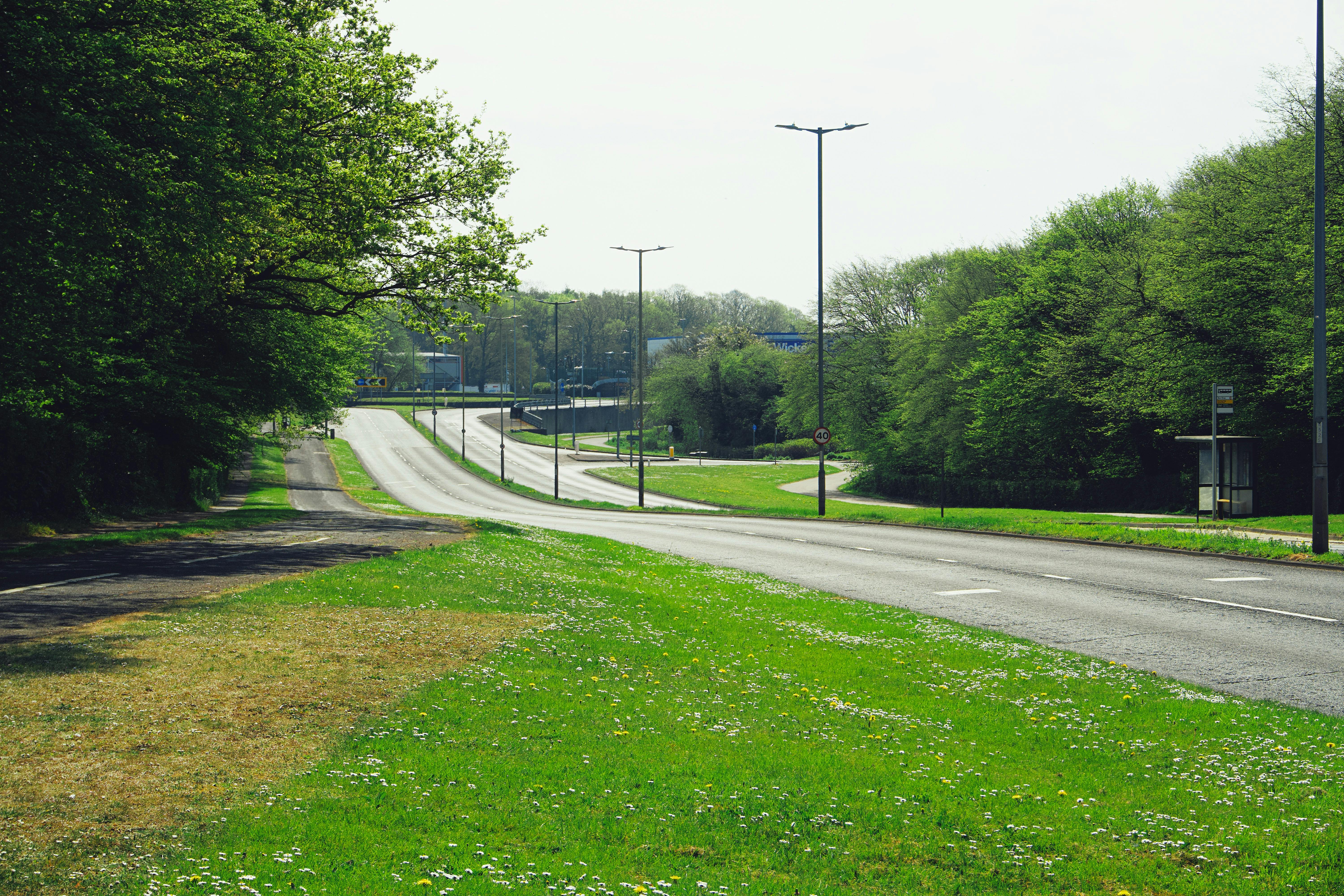
Councils in Byron Shire, Ballina and Lismore face unique terrain challenges. Our region's lush subtropical climate means grass grows year-round, especially during the wet season. Steep embankments, roadside verges and flood-prone reserves require frequent attention, yet skilled operators are in short supply and contractor availability fluctuates with seasonal demand.
Manual mowing operations also carry inherent risks. Slopes above 15 degrees are hazardous for ride-on equipment, and contractors working roadsides face traffic dangers daily. Fuel costs, insurance premiums and vehicle maintenance add further strain to already stretched council budgets. Meanwhile, residents expect parks and verges to be pristine, especially in high-visibility tourist areas like Byron Bay, Bangalow and Newrybar.
Autonomous mowing offers councils a way to maintain consistency without the volatility of contractor schedules or the safety risks of manual slashing on difficult terrain.
How Autonomous Mowing Technology Works for Council Applications
Robotic mowers like the machine operate on GPS-RTK precision navigation, mowing pre-mapped zones with centimetre-level accuracy. Once a site is mapped and programmed, the unit follows a scheduled routine, night or day. Wet ground is mapped out, and a person still does edges, structures and the close-in work. The machine can handle slopes up to 30 degrees and mow about 8 acres (3 hectares) a day, making it suitable for everything from small neighbourhood parks to expansive sports fields and roadside corridors.
The mower returns to its charging station autonomously, resumes where it left off after rain delays, and sends an alert when it stops or needs attention. For councils, this means predictable outcomes, reduced labour costs and the ability to reallocate skilled staff to higher-value tasks like tree maintenance, playground inspections and community engagement.
Council Mowing Northern Rivers: Cost Savings and Efficiency Gains
Councils operating autonomous mowers report labour cost reductions of 40 to 60% compared to traditional contractor or in-house teams. A single commercial-grade unit takes the bulk cutting off a week's roster and creates a skilled technician role to run it, so the crew's hours go to the work that needs people, and the finish is consistent. Robotic mowers mulch grass finely, returning nutrients to the soil and eliminating the need for green waste collection and disposal, a significant saving for councils managing dozens of sites.
Fuel and emissions are virtually eliminated. The machine runs on rechargeable batteries, aligning with council sustainability targets and reducing the carbon footprint of grounds maintenance operations. For Northern Rivers councils committed to climate action and net-zero goals, autonomous mowing is a tangible step toward greener infrastructure management.
Maintenance downtime is minimal. AutoAcre's Buy + Manage model, where the customer owns the machine outright and pays a monthly management fee for scheduled servicing, blade replacements, firmware updates and repair coordination, ensures the unit stays operational year-round. Councils purchasing autonomous mowers outright gain a depreciable asset while outsourcing the technical complexity to a local specialist.
Safety, Compliance and Risk Reduction
Workplace safety is a top priority for councils, and autonomous mowing dramatically reduces risk. Steep embankments, flood-prone reserves and roadside verges are hazardous for human operators, particularly during wet conditions. Robotic mowers eliminate the need for staff to work on slopes or near live traffic, reducing workers' compensation claims and liability exposure.
The machine includes obstacle detection, automatic shut-off and geofencing to prevent the unit straying beyond designated boundaries. For councils managing public spaces where children, dogs and wildlife are present, these safety features provide peace of mind that manual operations cannot match.
Compliance with environmental regulations is also simplified. Autonomous mowers operate quietly, reducing noise complaints in residential areas. They do not leak fuel or hydraulic fluid, protecting waterways and sensitive ecosystems, critical in a region where creeks, wetlands and coastal catchments are closely monitored.
Real-World Applications: Where Councils Are Deploying Autonomous Mowers
Councils overseas and in other Australian regions are already proving the model. Sports ovals, memorial parks, roadside verges, industrial estates and cemetery grounds are ideal candidates. In the Northern Rivers, autonomous mowing is particularly well-suited to:
- Roadside embankments along Pacific Highway corridors and rural arterials
- Flood-prone reserves requiring frequent post-rain maintenance
- Large community sports fields and showgrounds
- Cemetery lawns and memorial gardens
- Industrial estate buffer zones and drainage reserves
- Coastal parklands and hinterland nature reserves with controlled access
These sites often sit idle between contractor visits or require expensive specialist equipment. Autonomous mowers provide consistent, low-cost coverage without the logistical complexity of coordinating multiple contractors across dozens of sites.
Why Northern Rivers Councils Should Consider Autonomous Mowing Now
Budget constraints are not easing, and community expectations around amenity and environmental stewardship continue to rise. Councils that adopt autonomous mowing early gain a competitive advantage, demonstrating innovation, fiscal responsibility and climate leadership. The technology is proven, reliable and available locally through specialist operators like AutoAcre who understand Northern Rivers conditions, terrain and seasonal challenges.
Autonomous mowing also future-proofs council operations. As skilled labour becomes scarcer and contractor rates rise, robotic solutions offer long-term cost certainty. Units purchased outright become council assets, eligible for depreciation and grant funding. Monthly management fees are predictable and scalable, allowing councils to expand coverage as budgets allow.
For councils exploring autonomous mowing for the first time, pilot programs on a single high-visibility site, such as a town centre park or sports oval, allow staff and community to see the technology in action before broader rollout.
AutoAcre's Buy + Manage Model for Council Mowing Northern Rivers
AutoAcre's approach is straightforward: councils or community organisations purchase the commercial-grade robotic mower outright, then engage AutoAcre on a monthly management plan. The monthly management fee scales with mowable acreage and is quoted after a site assessment, covering scheduled maintenance, blade replacements, firmware updates, monitoring and repair coordination.
The council owns the asset. AutoAcre handles the complexity. This model suits councils seeking capital investment with ongoing operational support, rather than contractor dependency or in-house technical expertise.
Owner Ben Bonifant and the AutoAcre team are based locally in Byron Bay, providing responsive service across Bangalow, Mullumbimby, Federal, Ewingsdale, Brooklet, Clunes, Alstonville and the wider Northern Rivers. We understand council procurement processes, grant funding requirements and the need for transparent, accountable service delivery.
Get a Council Mowing Quote for Your Northern Rivers Site
If your council is exploring autonomous mowing solutions, AutoAcre can provide site assessments, cost comparisons and pilot program support. Whether you manage a single sports field or dozens of parks and reserves, we'll work with you to design a solution that meets community expectations, budget constraints and sustainability goals.
Contact Ben Bonifant on 0499 649 094 or visit autoacre.com.au/quote.html to request a detailed quote for council mowing in the Northern Rivers. See the machine in action and discover how autonomous technology can transform your council's grounds maintenance operations.
Common questions
Which council sites suit autonomous mowing today?
Fenced or controlled areas. Sports fields, showgrounds, cemetery lawns, drainage reserves, industrial buffer zones and reserves with controlled access. That's where the machine starts.
Is an autonomous mower safe in a public park?
Our honest position is fenced or controlled areas today. The machine has obstacle detection, automatic shut-off and geofencing, but certification is still in progress, so we don't run it in open public space with kids and dogs around.
How much council ground can the machine mow in a day?
About 8 acres (3 hectares) of planning capacity, on slopes to 30 degrees. Bigger sites are staged across a rotation, and wet or waterlogged ground is mapped out rather than driven through.
Does autonomous mowing replace council grounds staff?
No. Close-in work around edges, posts and furniture is 60 to 70 percent autonomous and people do the rest. It creates a skilled local technician role and frees crews for work that needs a person.
What does autonomous council mowing cost?
The monthly management fee scales with mowable acreage and is quoted after a site assessment. There's no price list.
Read next
Frequently asked questions
Are any Northern Rivers councils using autonomous mowers for park maintenance?
Several Australian councils have begun trialling autonomous mowing systems for parks and reserves, though specific Northern Rivers adoption is still emerging. The technology suits council operations because autonomous mowers like the machine can handle large areas (about 8 acres (3 hectares) a day) with consistent results, reducing labour costs and allowing staff to focus on specialised maintenance tasks.
What are the main benefits councils see from switching to robotic mowers?
Councils report three key benefits: significant reduction in ongoing labour costs, more consistent mowing schedules that improve community satisfaction, and lower emissions compared to diesel ride-on mowers. Autonomous systems also reduce workplace safety incidents, as fewer staff hours are spent operating machinery on slopes and uneven terrain.
Can autonomous mowers handle the steep slopes common in Northern Rivers council parks?
The commercial-grade autonomous mower can safely operate on slopes up to 30 degrees, making it suitable for many hilly council reserves throughout the Northern Rivers region. The GPS-RTK navigation system ensures the mower maintains safe boundaries even on challenging terrain, while the monthly management service, priced on mowable acreage and quoted after a site assessment, includes regular monitoring to ensure optimal performance.
More answers in the AutoAcre FAQ, or browse the glossary.